
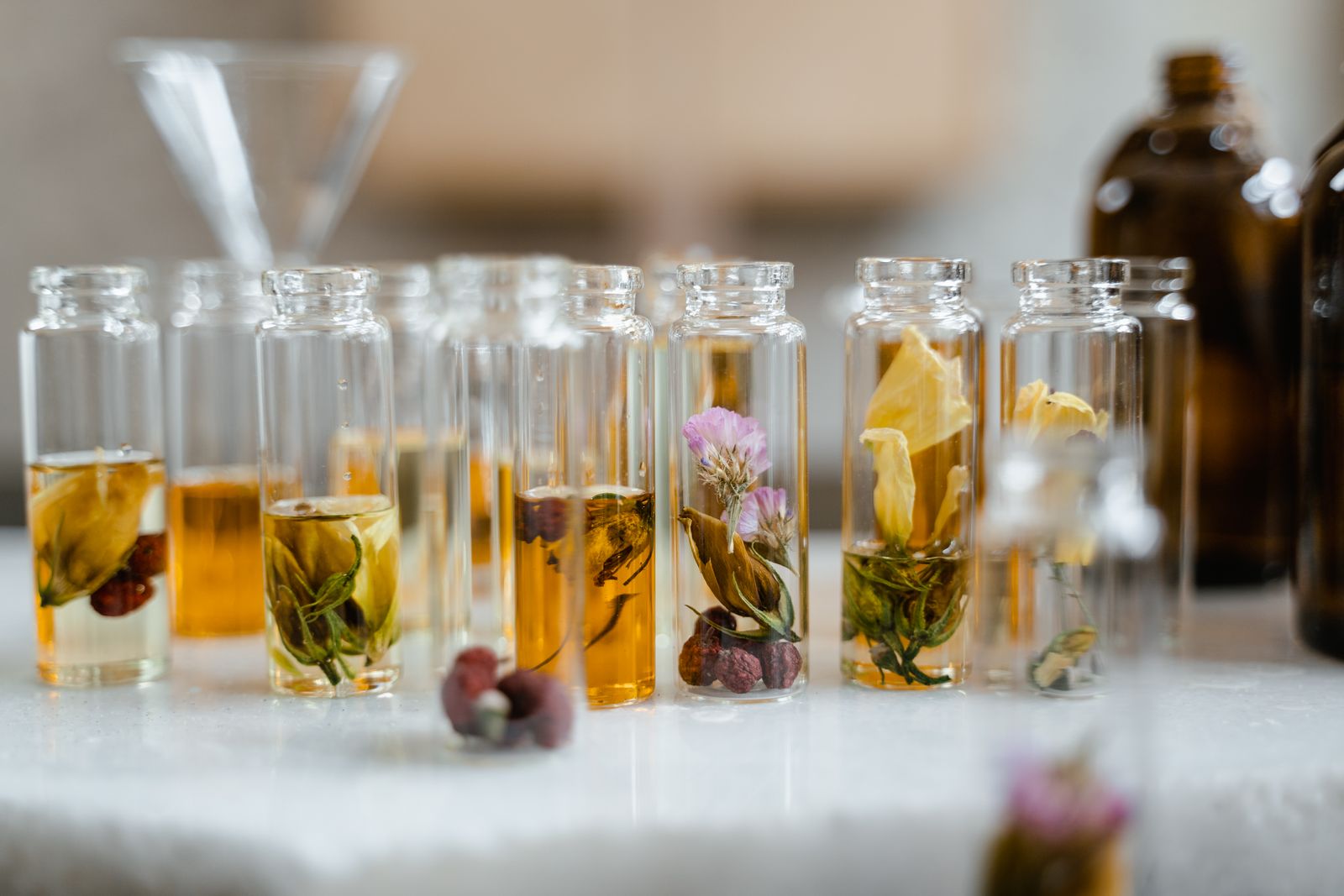
Do Bitters, Betaine HCl or Reglan Help Fullness on a GLP-1?
How do digestive bitters and betaine HCl compare to prescription motility agents for relieving GLP-1 fullness?
Reviewed by Taylor Anderson, RN
Aesthetic Registered Nurse
Taylor Anderson is an aesthetic registered nurse and a reviewer for Hot or Nothing.
Updated October 21, 2026
Quick answer
Digestive bitters and betaine HCl are unlikely to ease the too-full feeling on a GLP-1 such as semaglutide or tirzepatide, and betaine HCl can bring heartburn when the dose is too high. Prescription motility drugs such as metoclopramide (Reglan) do move food out of the stomach faster, but they carry serious warnings and fit only as a short rescue. The first fixes for GLP-1 fullness are smaller, lower-fat meals and pacing your dose with your clinical team.
In this guide
Key takeaways
- Feeling full on a GLP-1 comes from food leaving your stomach more slowly, which is part of how the medicine helps you eat less, and the queasy side is usually worst in the first 4 to 5 weeks.
- Bitters are unlikely to make food leave your stomach faster, and betaine HCl has nothing behind it for GLP-1 fullness and can bring heartburn when you take too much.
- If you still want to try betaine HCl, skip it if you have a peptic ulcer and swallow the capsules whole, because the acid can irritate tissue and damage teeth.
- Prescription motility drugs do speed up your stomach, but Reglan carries a warning for lasting face and tongue movements and domperidone is hard to get in the US, so they are a short rescue your clinical team decides on.
- Start with smaller, lower-fat meals, ask your clinical team about pacing your dose, and tell them early if side effects keep getting worse.
Digestive bitters and betaine HCl have not been shown to relieve fullness on a GLP-1. In human studies, bitters mostly did not change how fast the stomach empties, and no study has tested betaine HCl for this. Prescription motility drugs such as metoclopramide (Reglan) do speed stomach emptying, but they carry serious warnings. Slower emptying is part of how semaglutide and tirzepatide work, so the first fixes are smaller, lower-fat meals and pacing your dose with your clinical team.
Why do I feel so full on a GLP-1?
GLP-1 medicines slow the rate at which food leaves your stomach. Food that stays longer keeps your stomach stretched, and that stretch makes you feel full after a meal, according to a review of bitter substances and gut function.
That slowing is part of how the medicine works. The same review notes that researchers now think the main way GLP-1 lowers blood sugar is by slowing stomach emptying.
The heavy feeling also tends to be front-loaded. An expert consensus on GLP-1 stomach side effects found nausea is most common in the first 4 to 5 weeks, when emptying slows the most, and it eases after that. Nausea is usually moderate and goes away within 8 days of when it starts.
So the goal is to take the edge off the too-stuffed feeling without cancelling the fullness that helps you eat less.
How do bitters, betaine HCl and prescription motility drugs compare?
| What it does in the stomach | Does it speed emptying? | Tested in GLP-1 users? | Main risks | Cost or access | |
|---|---|---|---|---|---|
| Digestive bitters | In healthy people, most studies found no change in how fast the stomach empties (review) | No. In one study, a high dose of quinine (600 mg) given before a drink slowed emptying | No. Studies were in healthy people | The one change seen was slower emptying | Little human research to say which preparation or dose to use (betaine HCl review) |
| Betaine HCl | Adds acid. In fasted people on acid-blocking pills, stomach pH dropped from about 5.2 to 0.6 within 30 minutes and took about 73 minutes to climb back above 3. With food, it took nearly three times longer to bring pH below 1.0 (review) | Not measured | No. The popular routine of raising the dose meal by meal has not been rigorously tested either | Tingling, heartburn, diarrhea or other discomfort when the dose is too high. Not for people with a peptic ulcer | Nutricost Betaine HCl + Pepsin: $17.95 for 240 capsules, each with 650 mg betaine HCl and 140 mg pepsin, at Vitacost |
| Prescription motility drugs | In a meta-analysis of trials in people with gastroparesis or functional dyspepsia, they cut the time the stomach takes to empty half a meal by 16.3 minutes on average, or 23.6 minutes when the best tests were used. They modestly reduced upper-gut symptoms | Yes | The trials were not in GLP-1 users. The GLP-1 consensus describes one case example | Metoclopramide (Reglan) carries a boxed warning for tardive dyskinesia. Domperidone is linked to life-threatening heart rhythm problems | Prescription only. In the US, domperidone is available only through an FDA expanded access program |
Do bitters or betaine HCl help with GLP-1 fullness?
Bitters are unlikely to move food out faster. In the human study the review describes where stomach emptying changed, it slowed, which is the opposite of what you want when you already feel stuffed.
Bitters may even push in the same direction as your medicine. In healthy men, quinine given before a mixed drink modestly raised GLP-1 levels afterward, by about 15 pmol/L, according to the review of bitter substances.
Betaine HCl has no study behind it for GLP-1 fullness. A review of betaine HCl lists the signs of taking more than you need: tingling, heartburn, diarrhea or other discomfort.
Heartburn matters here. The GLP-1 expert consensus notes that GLP-1 medicines have occasionally made reflux worse, possibly because emptying slows for a while after you start. Adding acid on top of that can make a heavy stomach feel worse, not lighter.
If you still want to try it, skip betaine HCl if you have a peptic ulcer. Swallow the capsules whole and never open them into food or drinks, because the acid can irritate tissue and damage teeth.
When does a prescription motility drug make sense on a GLP-1?
A prescription motility drug makes sense only for symptoms that keep going after diet changes, and only for a short time. The GLP-1 expert consensus puts anti-nausea or motility medicines after diet changes. It also says that if you need them for more than a month once you reach your maintenance dose, lowering the GLP-1 dose should be considered instead.
In one example from that consensus, a 52-year-old woman on oral semaglutide 14 mg had nausea that would not let up. She took domperidone before her main meals, and after 4 days she no longer needed it.
In the US, the main option is metoclopramide (Reglan). It carries a boxed warning for tardive dyskinesia, uncontrollable movements of the face or tongue that may not go away. The risk rises the longer you take it and the more you take overall, and it is higher in older people, especially older women, and in people with diabetes. The label says to use it for the shortest time and to avoid more than 12 weeks in total for diabetic gastroparesis.
Domperidone, the drug in that consensus example, is not a simple US option. FDA lists it among compounding substances that may present significant safety risks, citing life-threatening heart rhythm problems and sudden cardiac death. It is available for certain stomach conditions that have not responded to standard treatment, and only through an expanded access investigational program.
These drugs also speed emptying, which works against the slowing that helps your GLP-1 cut your appetite. That makes them a short rescue your clinical team decides on, not a daily add-on.
What should I try first when I feel too full on a GLP-1?
- Eat smaller portions and less fatty food. For nausea tied to large, fatty meals, this is the first step the expert consensus recommends.
- Ask your clinical team about pacing your dose. The consensus names flexibility while the dose is going up as one of the main ways to keep stomach side effects down.
- Let your clinical team decide on a short course of medicine if symptoms persist. If diet changes are not enough, a temporary anti-nausea or motility medicine may help, and your clinical team can decide whether it fits.
- Tell your clinical team early if side effects keep getting worse. One woman on Zepbound started at 2.5 mg, never went up because of side effects, and made two trips to the ER in 3 weeks. Her advice: "Listen to your body while it whispers, before it starts to yell."
You want the fullness that helps you eat less, without feeling stuffed all day. Take the quiz to start a GLP-1 plan (semaglutide, tirzepatide or retatrutide) with a clinical team that paces your dose around how you feel.
Ready to make a move?
Answer three questions to see the treatment options that fit your goals.
See My PlanFAQ
Can I take betaine HCl with semaglutide?
Nothing shows that betaine HCl helps with fullness on semaglutide, because no study has tested it for that. Too much betaine HCl can cause tingling, heartburn, diarrhea or other discomfort, and GLP-1 medicines have occasionally made reflux worse, so adding acid can make a heavy stomach feel worse. If you still want to try it, skip it if you have a peptic ulcer and swallow the capsules whole rather than opening them into food or drinks.
How long does the full feeling last on tirzepatide?
On GLP-1 medicines such as tirzepatide, the queasy, too-stuffed side is usually worst in the first 4 to 5 weeks, when stomach emptying slows the most, and it eases after that. A bout of nausea is usually moderate and goes away within 8 days of when it starts. Some fullness stays, because slower emptying is part of how the medicine helps you eat less.
Is domperidone available in the US?
Domperidone is available in the US only through an FDA expanded access investigational program, for certain stomach conditions that have not responded to standard treatment. FDA lists it among compounding substances that may present significant safety risks, citing life-threatening heart rhythm problems and sudden cardiac death. In the US, the main prescription option is metoclopramide (Reglan), which carries its own boxed warning.
Should I lower my GLP-1 dose if I feel too full?
Lowering or pacing your GLP-1 dose is a decision to make with your clinical team, and it is one of the main ways to keep stomach side effects down. Smaller, lower-fat meals come first. If you would need anti-nausea or motility medicine for more than a month once you reach your maintenance dose, a lower GLP-1 dose should be considered instead.
Keep reading
Sources (5)
- Effects of Promotility Agents on Gastric Emptying and Symptoms: A Systematic Review and Meta-analysis · pubmed.ncbi.nlm.nih.gov · captured October 21, 2026
- Meal-Time Supplementation with Betaine HCl for Functional Hypochlorhydria: What is the Evidence? - PMC · pmc.ncbi.nlm.nih.gov · captured October 21, 2026
- Effects of Bitter Substances on GI Function, Energy Intake and Glycaemia-Do Preclinical Findings Translate to Outcomes in Humans? - PMC · pmc.ncbi.nlm.nih.gov · captured October 21, 2026
- Clinical Recommendations to Manage Gastrointestinal Adverse Events in Patients Treated with Glp-1 Receptor Agonists: A Multidisciplinary Expert Consensus - PMC · pmc.ncbi.nlm.nih.gov · captured October 21, 2026
- Nutricost Betaine HCl + Pepsin | 240 Capsules | Vitacost · vitacost.com · captured October 21, 2026